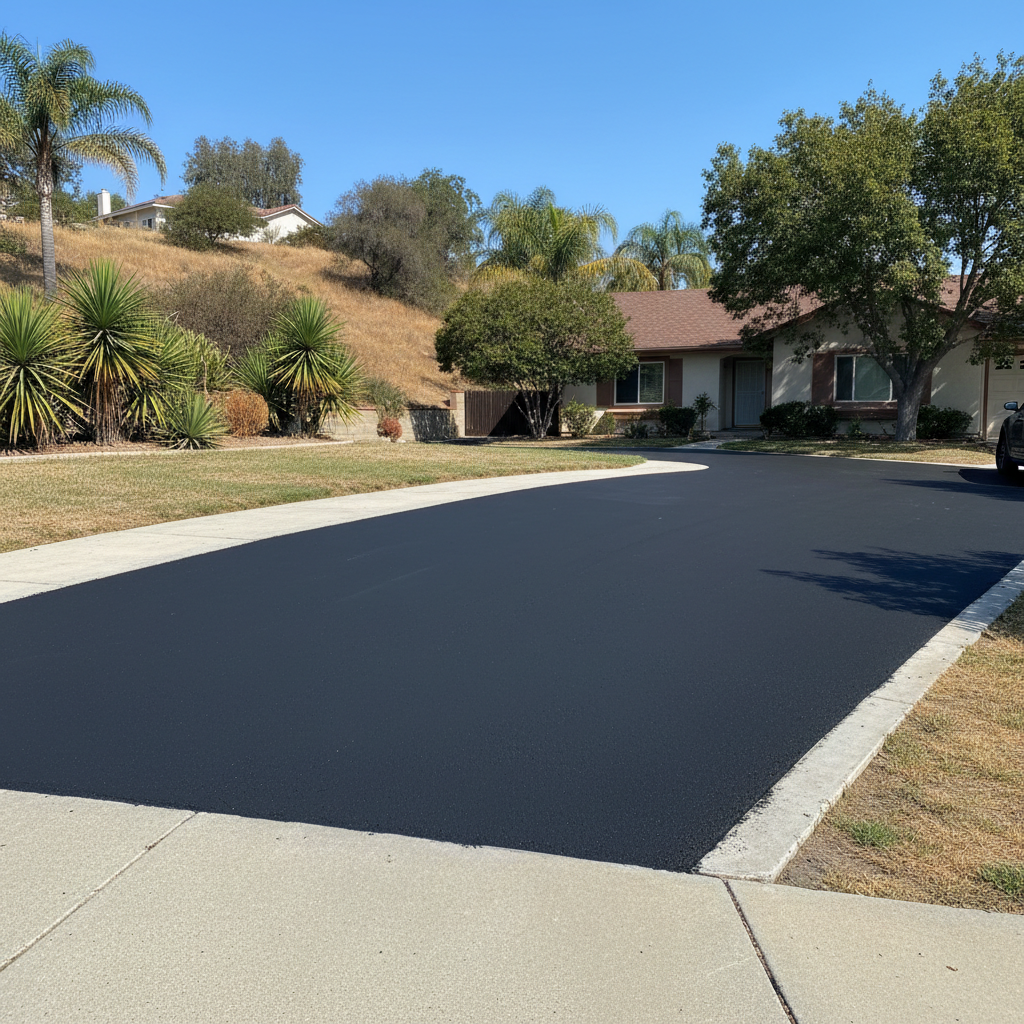
You've got an asphalt driveway, and you know slurry coating is key to keeping it looking good and lasting long. But when's the best time to do it here in Banning? It's not just about picking a random Saturday; our local weather really dictates when you should schedule this work.
Why Timing Your Slurry Coat Matters in Banning
Slurry seal isn't just paint. It's a protective layer that needs specific conditions to cure right. Think of it like painting a wall – you wouldn't do it in the rain or freezing cold, right? Same principle applies here, but with our unique desert climate, we've got a few extra things to consider.
The biggest factor is temperature. Slurry needs warm temperatures to properly bind and dry. We're talking consistent daytime temps above 50 degrees Fahrenheit, ideally closer to 70-85 degrees. If it's too cold, the emulsion won't break and cure correctly, leading to a weak, brittle surface that won't last. If it's too hot, especially those scorching Banning summer days over 100 degrees, it can dry too fast, causing cracks or an uneven finish. It's a delicate balance.
The Best Seasons for Slurry Coating Your Driveway
From what I've seen over the years, the sweet spot for slurry coating here in Banning is typically late spring (April-May) and early fall (September-October). These months usually give us those ideal temperatures without the extreme heat of summer or the cooler, potentially wetter days of winter.
- Spring (April-May): The ground has warmed up, and we're generally past the worst of any winter rains. Days are getting longer and warmer, but we haven't hit those triple-digit heat waves yet. This is prime time.
- Fall (September-October): After the summer heat breaks, but before the real cold sets in, fall offers another great window. The asphalt has had all summer to expand and contract, and now it's ready for a fresh protective layer.
I generally tell folks to avoid the dead of winter and the peak of summer. Trying to rush a job when it's too cold or too hot just compromises the quality and lifespan of the slurry. You're paying good money for this, so you want it done right.
Weather Conditions to Watch Out For
Beyond just the season, you need to pay attention to the forecast for the specific days surrounding your scheduled work. Here's what we look for:
- No Rain: This one's a no-brainer. Slurry and rain don't mix. We need at least 24-48 hours of dry weather after application for it to cure properly. Even a light drizzle can ruin a fresh coat.
- Moderate Humidity: High humidity can slow down the drying process significantly. While Banning isn't known for high humidity, those occasional muggy days can still be an issue.
- Wind: Strong winds can cause the slurry to dry too quickly and unevenly, leading to a weaker bond. It can also blow debris onto the wet surface, which you definitely don't want.
- Overnight Temperatures: Even if the daytime is perfect, if the night drops too cold, it can affect the curing process. We need nights to stay above 40 degrees Fahrenheit, ideally.
This is why a good contractor like Horizon Asphalt Solutions will always check the forecast thoroughly before scheduling your job. We're not just guessing; we're looking at specific conditions to make sure your investment is protected.
Protecting Your Investment Year-Round
Once your driveway is freshly slurry coated, you've got to treat it right to get the most out of it. Here are a few tips:
- Stay Off It: Give it at least 24-48 hours, sometimes longer depending on the specific product and weather, before driving or parking on it. Turning your wheels too sharply on a fresh coat can leave tire marks.
- Watch for Leaks: Oil and gas leaks from vehicles are asphalt's enemy. They break down the binder in the asphalt and the slurry. Clean up any spills immediately.
- Edge Control: We've got a lot of sandy, loose soil around Banning, especially in areas like the foothills. Keep the edges of your driveway clear of dirt and debris. Water can seep under the edges and cause deterioration.
- Regular Cleaning: A simple sweep or rinse with a hose can keep your driveway free of abrasive dirt and small rocks that can wear down the surface over time.
Taking care of your asphalt driveway isn't a one-time thing; it's ongoing maintenance. Slurry coating is a big part of that, and getting the timing right is half the battle. If you've got questions about your specific driveway or when might be the best time for a fresh coat, just give us a call. We're happy to take a look and give you an honest assessment.