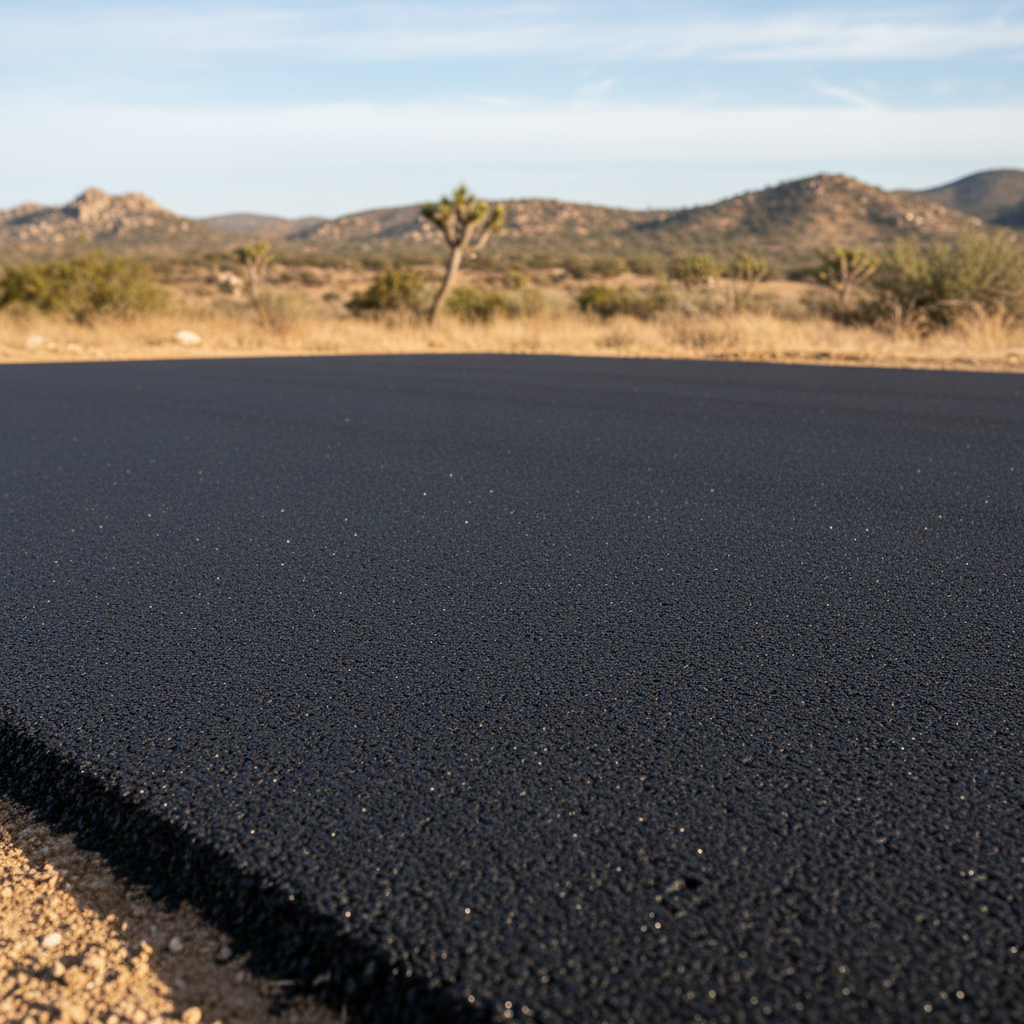
How long does a new asphalt driveway usually last in Banning?
That's a great question, and honestly, it's one I hear a lot. A new asphalt driveway, if it's installed properly — done right the first time, you know? — should easily give you 15 to 20 years of good service right here in Banning. But that's not a hard-and-fast rule. A lot rides on how well you maintain it, the quality of the initial installation, and even the kind of traffic it sees. If you've got heavy RVs or commercial vehicles parking on it all the time, that'll definitely shorten its life compared to a driveway that only sees passenger cars. And let's not forget the Banning sun; it can be brutal, baking the oils right out of the asphalt over time. That's exactly why sealcoating is so important. Think of it like sunscreen for your driveway, really.
What's the typical timeline for a new driveway paving project?
From start to finish, a new driveway paving project usually takes about 2 to 4 days of actual work on site. Now, that doesn't count the time it takes to get an estimate, schedule the job, or grab any necessary permits from the city if your project is on the bigger side. Day one is usually all about getting ready: excavation, grading, and making sure the sub-base is just right. That's super important for good drainage and stability, by the way. Day two often involves laying down and compacting the aggregate base. Then, we'll put down the asphalt itself, usually on day three or four, depending on how big and complex the job is. After the asphalt is down, you'll need to stay off it for a few days – typically 24-72 hours – to let it cure properly. We'll always give you clear instructions on that, of course.
Do I need to do anything to prepare my property before you start paving?
You bet. There are a few things you can do to help everything run smoothly. First off, clear the area. Move any cars, boats, trailers, or anything else off the old driveway and out of the work zone. Make sure sprinklers are marked and turned off. If you have any landscaping that's really close to the edge of the driveway, please let us know so we can be extra careful around it. We'll handle the heavy lifting, like excavation, but getting personal items out of the way helps us get right to work without delays. Also, if you know where your underground utilities are – things like water lines or electrical conduits – it's a good idea to point them out. Even though we'll call for utility locates (Dig Alert) before we start digging, your input just adds an extra layer of safety.
How soon can I drive on my new asphalt driveway?
This is probably the most asked question, and for good reason! You're excited to use your new driveway, right? Generally, we recommend staying off it for at least 24 to 72 hours. The exact time really depends on the weather conditions – if it's super hot out, for example, it might need a bit longer to fully harden. Even after that initial period, it's still curing for several months. For the first 6-12 months, you'll want to avoid parking heavy vehicles in the exact same spot for long periods, especially on those hot Banning days. Try to vary your parking spots if you can. Also, don't turn your steering wheel sharply when your car is stationary on new asphalt; that can cause scuff marks. We'll give you specific instructions when we finish the job, but patience in those first few days really pays off for the long-term durability of your driveway.
What's the deal with drainage? Is it really that important for my driveway?
Oh, drainage isn't just important, it's absolutely critical. Poor drainage is one of the biggest killers of driveways, especially here where we can get those heavy rainfalls in the winter. Water is asphalt's worst enemy, no doubt about it. If water sits on your driveway or, even worse, seeps underneath it, it'll erode the base material, cause cracks, and eventually lead to potholes and complete failure. When we design and grade your driveway, we're always thinking about how to get water off it and away from your home's foundation. We'll make sure it slopes correctly towards appropriate drainage points, whether that's a street, a French drain, or a specific collection area. We've seen plenty of driveways in older Banning neighborhoods, especially those built on flatter lots, where drainage wasn't properly considered, and it always leads to problems down the road. Horizon Asphalt Solutions always prioritizes proper grading and drainage to protect your investment.
How often should I sealcoat my asphalt driveway in Banning?
For most residential driveways in Banning, I recommend sealcoating every 2 to 3 years. Some folks push it to 4, but I wouldn't go much longer than that, especially with our intense summer sun. Sealcoating isn't just about making your driveway look nice and black again; it's a protective layer. It replenishes the oils in the asphalt that get dried out by UV rays and oxidation, stops water from getting into the surface, and helps protect against minor spills like oil and gas. It's a relatively inexpensive maintenance step that significantly extends the life of your driveway and keeps it looking sharp. Think of it as preventative medicine for your pavement.
What are those small cracks in my driveway, and should I worry about them?
Small cracks, often called 'alligator cracking' if they're interconnected and look like alligator skin, are usually a sign that your asphalt is starting to age and dry out, or that there's some movement or weakness in the base layer. Isolated, thin cracks can often be filled with crack sealant. This is a good preventative measure because it stops water from getting into the sub-base, which is where the real damage starts. If you see them, don't ignore them. A small crack can quickly become a big problem if water gets in there, freezes (not often here in Banning, but it can happen on cold nights), and expands, or just erodes the base. If the cracking is widespread and severe, it might indicate that a simple repair won't cut it, and you might be looking at an overlay or even a full replacement soon. But for minor cracks, definitely get them sealed up. It's a cost-effective way to buy your driveway more time.