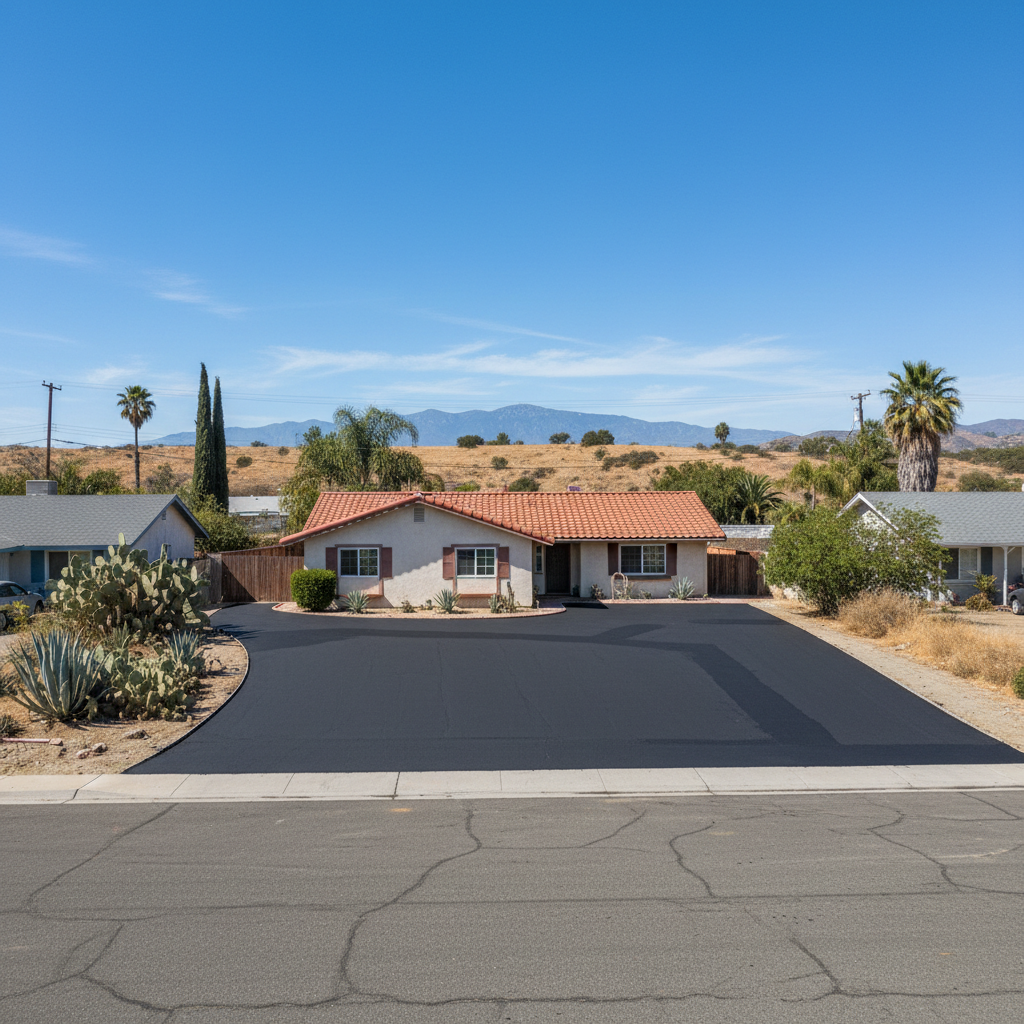
So, you've got some asphalt that's seen better days, huh? Maybe it's a few cracks spiderwebbing across your driveway, or a pothole that's become a permanent resident. Whatever it is, you're ready to get it fixed. That's smart. But before you jump in, let's talk about getting ready for that repair project. It's not just about picking a contractor; it's about understanding the whole process so you know what to expect and how to make it go smoothly.
Setting Expectations: Your Project Timeline
First off, let's talk about time. How long does this stuff take? It's not an instant fix, but it's also not a months-long renovation. For most residential asphalt repair jobs, we're talking days, not weeks. A small patch job might be a single day. A more extensive repair, like resurfacing a larger driveway, could be two or three days, especially if you factor in cure times.
Here's a rough breakdown:
- Initial Consultation & Quote: This usually happens within a few days to a week of your call, depending on how busy your chosen contractor is.
- Scheduling the Work: Once you approve the quote, it could be anywhere from a week to a month out. Good contractors are often booked, especially during peak season here in Banning, when the weather's just right and not too hot like our summer scorchers.
- Actual Repair Work: As I said, usually 1-3 days on site.
- Curing Time: This is crucial. You can't drive on newly repaired asphalt right away. Depending on the repair type and weather, it might be 24-72 hours before light traffic, and up to a week for heavy vehicles. Your contractor will give you exact instructions.
Don't rush it. A proper cure means a longer-lasting repair.
What Happens During the Repair Process?
You might be wondering what exactly goes on when we show up. It's not just pouring hot stuff on the ground. There's a method to it. Here's a general idea:
- Assessment & Preparation: We'll re-evaluate the area. This might involve cleaning the surface, removing loose debris, or even cutting out damaged sections of asphalt. If there's an underlying issue with the base, we'll address that too, because fixing just the surface is a waste of your money if the problem is underneath.
- Material Application: Depending on the repair, this could be crack filling, patching, or applying new layers of asphalt. For crack filling, we use specialized hot rubberized material. For patching, we might use hot mix asphalt. If it's a resurface, we'll lay down a new layer over the existing, properly prepped surface.
- Compaction: This is key to durability. We use rollers or vibratory plates to compact the new asphalt, making it dense and strong.
- Cleanup: We'll clean up the work area, making sure we leave your property tidy.
It can be a bit noisy and dusty, especially during the cutting and compaction phases. We try to be as considerate as possible, but it's construction, so expect some activity.
How to Get Your Property Ready
You can help make the process smoother for everyone. Here are a few things you can do:
- Clear the Area: Move your cars, boats, RVs, trash cans, planters, and anything else off the asphalt and surrounding areas. We need clear access to work.
- Trim Vegetation: If you have bushes or trees hanging over the repair area, trim them back. This gives us room and prevents debris from falling onto fresh asphalt.
- Secure Pets & Kids: Keep pets indoors or in a secure, separate area. Same goes for kids. It's a construction zone, and safety is paramount.
- Communicate: If you have any specific concerns or access needs during the project, tell us beforehand. For instance, if you absolutely need to get a car out at a certain time before the asphalt is fully cured, we need to know that.
- Water Access: Sometimes we need access to a water spigot for equipment or dust control. Just let us know where it is.
Doing these things helps us get in, get the job done right, and get out efficiently.
Smart Questions Before You Sign the Contract
You've got a quote, you like the contractor, but don't sign anything until you've asked a few critical questions. This is your investment, so protect it.