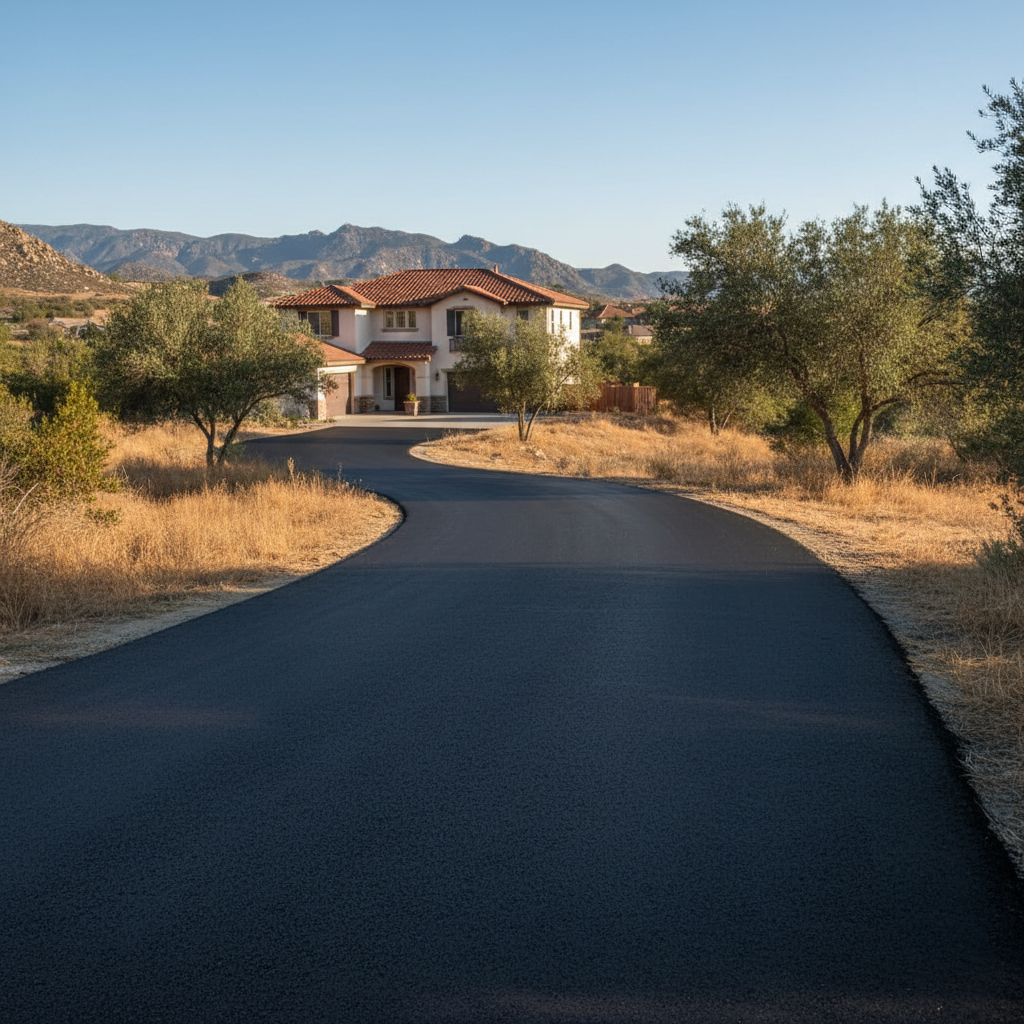
So, you've sealcoated your driveway or parking lot here in Banning. Good for you! That's a really smart move. Think of it like putting sunscreen on your pavement – it shields it from the brutal sun, the rain, and all that traffic. But, just like anything good, it needs a little care if you want it to truly last. You can't just sealcoat it and then forget about it, especially with our intense Banning sun and those occasional, but heavy, downpours.
Making Your Sealcoat Last Longer
The biggest thing you can do right after we put down a fresh sealcoat? Give it time. Seriously. We usually tell folks to stay off it for at least 24 to 48 hours. Sometimes even longer, if it's super humid or cooler than usual. You really want that material to cure completely. Driving on it too soon is just asking for tire marks and scuffs, which will shorten its life right from the start.
Once it's cured, start thinking about what you're putting on it. Oil and gas spills? Those are sealcoat killers. They actually break down the asphalt binder and the sealcoat itself. If you spill something, clean it up right away. Don't let it sit there. A little kitty litter or oil absorbent can soak it right up, then you just sweep it away. Keeping your vehicle maintained so it's not dripping fluids is a big one, too.
Here's another tip, especially for those of us with RVs or heavy trailers parked on our driveways in spots like the Sun Lakes Country Club area: try to move them around a bit. Constant heavy weight in the same spot can really stress the pavement. That can lead to premature cracking or depressions, even with a good sealcoat underneath.
What Does Regular Maintenance Look Like?
Regular maintenance for a sealcoated surface isn't rocket science, honestly, but it does need to be consistent. First off, keep it clean. Sweep off dirt, leaves, and other debris regularly. Those things can hold moisture against the surface, and over time, that's just not good for the sealcoat or the asphalt beneath it. A good power wash once or twice a year can help, but don't go crazy with super high pressure right up close, or you could actually strip the sealcoat right off.
You'll also want to keep an eye on the edges. Sometimes grass or weeds will start to poke through cracks or along the sides. Pull those out. Their roots can expand and make small cracks bigger, which nobody wants. A little weed killer along the edges can help keep them at bay, by the way.
Patching small cracks as they show up is probably the most important maintenance step you can take. Even with sealcoat, new cracks can form because of ground movement, heavy loads, or just the asphalt naturally getting older. Catching them when they're hairline cracks and filling them with a quality crack filler stops water from getting into the base layer. Water infiltration is the number one enemy of asphalt, especially with those freeze-thaw cycles we sometimes get here in the winter, even if they're not as extreme as other places.
Warning Signs of Trouble
You don't need to be an asphalt expert to spot when something's not quite right. Here are a few things to look for:
- Fading or dullness: If your sealcoat is looking gray instead of that rich black, it's losing its protective mojo. It's not just about looks; it means the UV protection is wearing thin.
- Excessive cracking: A few small cracks are normal, sure, but if you start seeing a spiderweb pattern (we call that alligator cracking) or long, interconnected cracks, that's a sign of a deeper structural issue. Or maybe the sealcoat has just completely worn away and the asphalt itself is deteriorating.
- Potholes or depressions: These definitely mean water has gotten under the surface and damaged the base. You'll need more than just sealcoat at that point, unfortunately.
- Loose aggregate: If you're seeing small stones coming loose from the asphalt, especially in high-traffic areas, the binder is failing. The sealcoat might be gone, or it just wasn't able to protect against this kind of wear.
- Water pooling: After a rain, if you have puddles that don't drain, it means your pavement isn't properly graded or has settled. This will really speed up deterioration.
When to Call in the Pros
You can totally handle the sweeping and the occasional crack filling yourself. But there are times when you really need to bring in the pros. If you're seeing those widespread alligator cracks, significant potholes, or large areas of loose aggregate, that's beyond a DIY fix. You might need patching, an overlay, or even a complete repave, depending on how bad it is. It's always better to address these issues sooner rather than later because they only get worse – and more expensive to fix.
Also, if you're unsure about the best type of crack filler to use, or if you're ready for another sealcoat application, it's time to call us. Typically, a good sealcoat lasts anywhere from 2 to 4 years, depending on traffic and weather. We can assess your pavement, give you an honest opinion on its condition, and recommend the best course of action. Here at Horizon Asphalt Solutions, we're always happy to come out and take a look. We'll make sure your Banning property's asphalt stays in top shape.