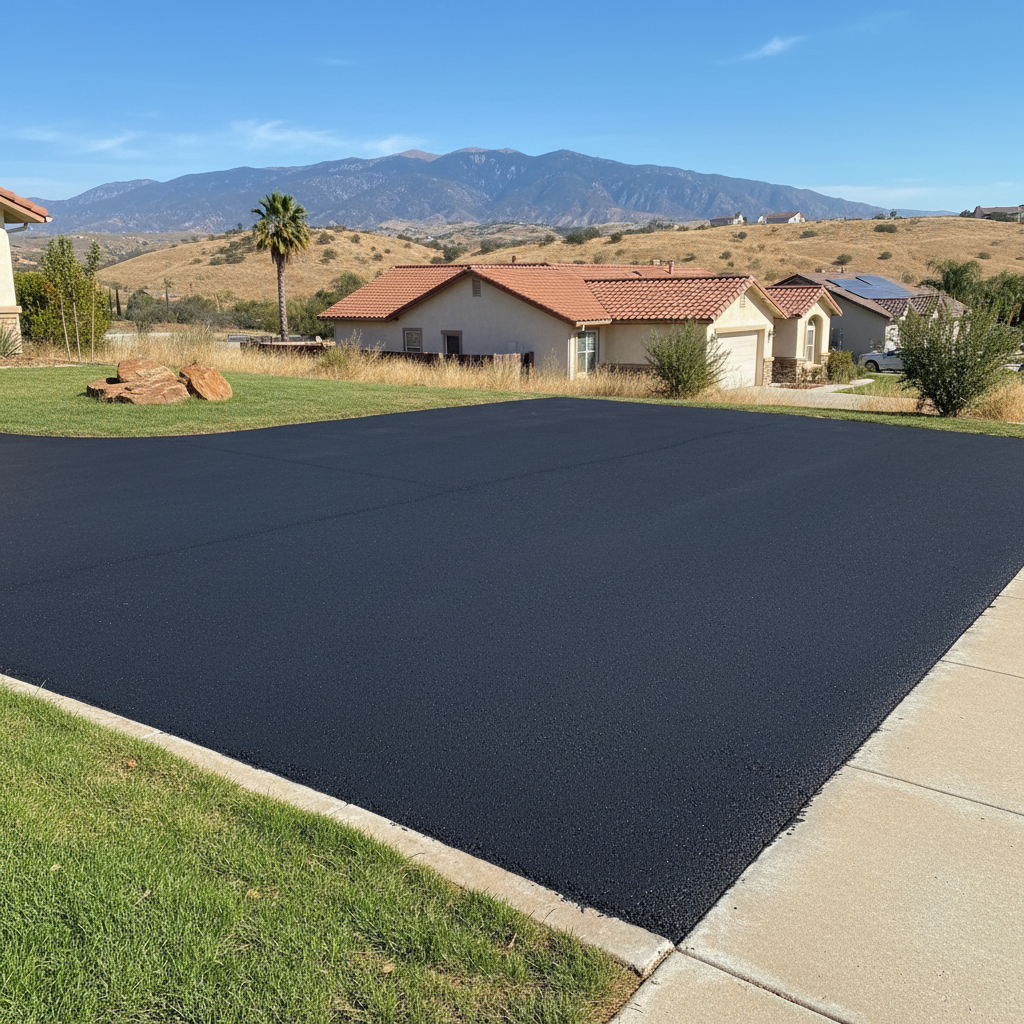
Protecting Your Fresh Sealcoat Investment
So, you just got your asphalt sealcoated. Nice work! That's a smart move for protecting your pavement here in Banning. But getting it done is only half the battle, right? If you want that sealcoat to really last and do its job, you've got to treat it right, especially in our climate with those hot summers and occasional heavy downpours.
The first thing is patience. I know it's tough, but you absolutely have to let that sealcoat cure properly. We're talking 24-48 hours before you even think about walking on it, and at least 72 hours before driving any vehicles on it. If you rush it, you'll leave tire marks, scuffs, and basically undo some of the protection you just paid for. On a really hot Banning day, like when we get those triple-digit heatwaves, it might even need a little longer to fully harden up. Just be patient; it'll pay off, believe me.
Regular Maintenance: Simple Steps for Long-Term Health
Once it's cured, ongoing maintenance isn't rocket science, but it makes a huge difference. Think of it like taking care of your car – a little regular attention prevents big problems down the road.
- Keep it Clean: Sweep off dirt, leaves, and other debris regularly. Organic matter can hold moisture against the surface, and over time, that's just not good for your sealcoat. Plus, dirt and grit act like sandpaper when tires roll over them, wearing down the surface faster.
- Address Spills Immediately: Oil, gas, antifreeze – these are sealcoat killers. They break down the asphalt binders. If you spill something, clean it up right away with an absorbent material and a mild detergent. Don't let it sit and soak in, or you'll regret it.
- Trim Around the Edges: If you have grass or weeds growing up through cracks or along the edges of your driveway, pull them out. Their roots can expand existing cracks and lift the asphalt.
- Watch for Heavy Loads: Try to avoid parking heavy RVs or commercial vehicles in the exact same spot for extended periods. The concentrated weight, especially in our summer heat, can cause indentations or cracking in the sealcoat and even the asphalt underneath.
- Avoid Sharp Turns: When you're driving on your sealcoated surface, try not to make sharp, sudden turns with your steering wheel while the vehicle is stationary. This is called 'power steering scuffing' and it can really tear up a fresh sealcoat.
Spotting Trouble: Warning Signs to Look For
Your driveway will tell you when it's starting to have issues, you just need to know what to look for. Catching these problems early can save you a lot of money and hassle.
- Fading Color: If your deep black sealcoat starts to look dull gray or faded, especially in high-traffic areas, it's a sign that the protective layer is wearing thin. This is normal over time, but it means you're losing that UV protection.
- Fine Hairline Cracks: A few tiny cracks might appear, sometimes called 'alligator cracking' if they're close together. These are often superficial at first, but they're an open invitation for water to get underneath your asphalt, which is bad news.
- Potholes or Depressions: If you see actual potholes forming or areas where the pavement is sinking, that's a bigger problem. It means water has likely gotten into the sub-base and eroded it, or there's a drainage issue.
- Loose Aggregate: If you're seeing small stones or gravel coming loose from the surface, especially after rain or heavy use, the sealcoat might be failing to bind the asphalt together.
- Oil Stains That Won't Clean: If you have persistent oil or fluid stains that have penetrated the sealcoat, that area is compromised and needs attention.
When to Call Horizon Asphalt Solutions
Look, I'm a contractor, not a magician. There are some things you just can't fix with a broom and a bucket. If you see any of those warning signs, especially cracking, potholes, or significant fading, it's time to give us a call. Don't wait until a small crack turns into a huge pothole that costs a fortune to fix. Water is the enemy of asphalt, and any opening is an invitation for it to cause serious damage. We can assess the situation, recommend the right repair, and get your driveway back in top shape.
Typically, a good sealcoat job here in Banning should last you 2-3 years, sometimes a bit more if you're really diligent with maintenance and it's not a super high-traffic area. But that's just a general guideline. If you see it wearing out sooner, or if you're unsure about any of the warning signs, don't hesitate to reach out to Horizon Asphalt Solutions. We're here to help you protect your investment and keep your property looking good.